Thursday, August 20, 2015

Unboxing: Book(ish) Box

     I have to introduce you to my newest love: the Book(ish) Box by Appraising Pages! It's a themed subscription box that contains a tee shirt with a book quote on it, as well as 3-5 fashion, beauty, or home decor items. I had a gift card and have an obsession with subscription boxes, so of course once I discovered a book themed one my mind was made up to try a box.


     This months theme was "Bookish in Aldaraan Places", filled with sci-fi goodies from some really adorable, high quality Etsy stores. And might I just add the customer service was amazing - she opened up a space for me even though I missed the deadline for signing up! I'm so impressed with it, and really love everything in it! If it was in the budget I would keep the subscription going, but it was fun to just try it once! It was like Christmas! Right when I opened it I was greeted with the tiniest, cutest clothespin in the world. This box knows me all too well already.


     This month's tee had the quote "A book, too, can be a star, capable of stirring up explosive material, fresh life endlessly" from A Wrinkle in Time. There was also an awesome hair wrap with an exploding tardis pattern from the etsy shop Night & Day Baby. And if I can make a side note here, this is the first hair wrap/head band I have tried that stayed in my hair ALL DAY! Yay! The rest of the items included a necklace that says "I'll cross the sky for you" from Rich Love Shoppe, a Maze Runner scented candle from The Fragrance Library, a Princess Leia magnetic bookmark from Hello Happy, a free month of Oyster (unlimited digital books), and a promotional bookmark for Strong Enough by M. Leighton. A fantastic box that I would highly recommend to any book lover!


Monday, July 20, 2015

Book Sculpture!

     I thought it would be a fun change of pace to show you one of my latest bookish projects. It's a DIY folded page book sculpture! I was recently given this book for my birthday from my awesome friends Kathryn and Gregg. I had seen these before in bookstores but had assumed that you just bought them already done. To my surprise, it comes as a normal book that you gradually turn into the sculpture (which is by the way, super satisfying).


I got Jane Eyre (one of my absolute favorite classics), which I of course could not help but read here and there as I was working on it. The pages all have asymmetrical gray stripes on them, directing where you should fold the page.


It went surprisingly fast, and it was tons of fun! And without further ado, here's the finished product!

Friday, June 12, 2015

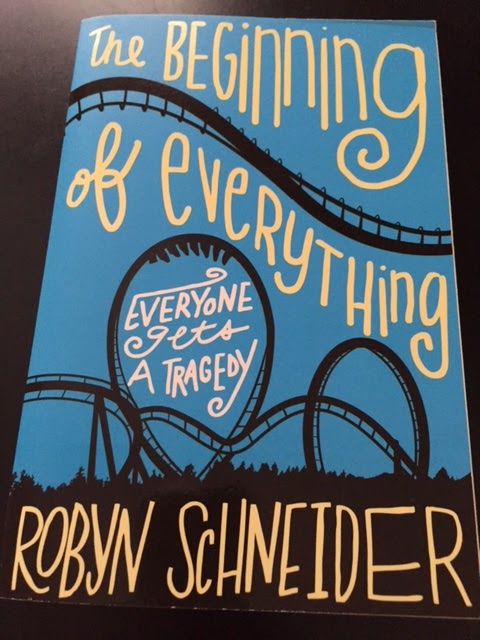
The Beginning of Everything

     The Beginning of Everything by Robyn Schneider is a coming of age story about high school student Ezra Faulkner (what a great name). Ezra is a popular tennis star on track to be homecoming king and get the perfect scholarship for the perfect school. But after a party one night Ezra gets into an accident, injuring him and thereby destroying all plans for his future. 

     While trying to navigate new friend groups, Ezra starts to fall for quirky new girl Cassidy Thorpe. She pushes him to move past his tragedy; to make new, bigger goals instead of accepting a lesser fate. 


      This was a fun summer read, but the perspective is from rich families living in Florida - which is fine - but sometimes it is presented in a way that feels like every reader must be from a rich family living in Florida. Sometimes I found it hard to relate and other times I really did not know what they were talking about because my high school experiences were so different. But that could just be me. 

     One other small critique that pulled me out of the story from time to time was how similar the story and characters were to certain John Green books. I know it probably isn't fair to the author to make that comparison (especially since I had just finished Paper Towns), but at times it was a little distracting or predictable. 

     Overall I enjoyed the book - it was funny, it was cute, the characters were fleshed out well and the ending actually surprised me. I liked the struggle of people knowing the real you versus acting how you think people expect. That was portrayed very well and was a struggle many teens are familiar with. I also loved the thesis of the book - that "everyone gets a tragedy", and you are defined by what beginnings you allow to grow from it instead of finding your identity in the tragedy itself. 

Friday, April 24, 2015

Paper Towns

     Paper Towns by John Green was such a fun read. High school senior Quentin (Q for short) has grown up next door to the beautiful and mysterious Margo Roth Spiegelman. One night, Margo climbs into his bedroom window and persuades him to join her on a well-thought out revenge mission. After a truly wild night, Q can't wait to see Margo at school in the morning - maybe their social statuses could change and they could be friends in public too. Just one problem - Margo is missing. Q begins to discover that Margo has left him clues to find her, and so he enlists his friends to help him solve the mystery. While Q and his friends get deeper and deeper into the enigma that is Margo, Q begins to wonder if Margo is really the girl he thinks she is.

http://www.amazon.com/Paper-Towns-John-Green/dp/014241493X

     When I was about half way through this novel, I was worried that it was turning into another tale of the manic pixie dream girl. For those of you that are not familiar with this damaging trope, here's a quick crash course: http://tvtropes.org/pmwiki/pmwiki.php/Main/ManicPixieDreamGirl. And if you really don't care to read it, I will summarize the summary: An MPDG is a quirky woman who brings adventure into the life of a depressive man and (most importantly) has no independent goals of her own - she purely exists to change him and often disappears when she does. In short, it's a flat character, a lazy plot device, and a disappointing, limited view of females as a whole.

     But wait! I had faith in John Green and thankfully he knew how dangerous that trope was and in many ways this seemed to be his response to the dangers of the male gaze. Yes, Margo is quirky (not a bad or unrealistic thing) and she does change Q's life (again, a good thing). But he does add a complexity to Margo and an introspection and awareness to Q that is very refreshing. All characters are flawed, dynamic people that can be both selfish and care for others.
 
     I loved the mystery, humor, and realistic high school friendships that John Green has proven to be so great at writing. I highly recommend this for a spring read, and then you can go see the movie this summer!


Friday, April 17, 2015

The Snow Child

     I realize that The Snow Child by Eowyn Ivey is not the most timely of choices for a springtime read, but when I read it, we were in the midst of blizzard after blizzard so I like to think that it's the thought that counts.


     So far, this is my favorite book that I have read this year. In it, two homesteaders named Jack and Mabel try to survive the harsh winter conditions of Alaska in the 1920s. The older couple never had children, and the yearning for one in addition to the isolation and back breaking labor required of them begin to not only affect their marriage, but their mental health and emotional wellbeing.

     One night, Jack and Mabel play outside in the snow, finally able to relive the childlike spark that had once been so present in their relationship but had since faded. They make a snow girl and dress her in a coat and mittens and carve delicate features into the snow for her face. They go inside and wake the next morning to see that the snow child and clothes are gone, and in its place the couple can swear that they saw a little blonde girl - in the same coat - running through the woods near their house. The sightings increase, and, as if trying to gain the trust of a wild animal, the couple begin a gentle relationship with this wild girl living in the forest.


     I loved the fairy tale elements that are so masterfully woven within the heartache and joy of reality. Jack and Mabel are some of the most relatable characters I have read in a while; no one is simplified, vilified, or deified. There are some very real, very heavy tragedies in this book, but they are balanced so well with moments of unbridled joy and wonder - and those are the moments that really stuck with me.


Monday, April 6, 2015

The Night Circus

     The Night Circus by Erin Morgenstern is the tale of two ill-fated magicians raised by their cruel and eccentric mentors to outsmart their opponent. They grow up not knowing who their opponents are; their only task is to hone their craft and be ready for the game to begin. As you might guess, these two magicians, Celia and Marco, eventually meet and fall in love. Unfortunately, they soon learn that the game they have been preparing for their whole lives is a duel to the death.

     Perhaps the third main character in this novel is the setting, the Cirque des Reves. The night circus comes into town without warning, and each tent contains an amazing act, mysterious creatures, or beautiful dream-like gardens. The magic within the circus is not always sleight of hand or illusion, but a real craft that can bring imagination to reality. 


     I had heard the plot of this book and was very, very excited to read it. I guessed it would be fast paced and full of action, but that was an incorrect assumption. Instead, most of the book is just taking in the fantastic atmosphere of the circus, both as an outsider marveling at each tent, and as a performer helping make and keep the circus running. 

     The very end of the book speeds up with the duel, as if to make up for lost time. While I was reading it I wasn't quite sure if I liked that, but looking back now I believe that I do. It feels as if you are strolling around for most of the book in a dream, only to be shaken awake at the end to finally watch the fate of Celia and Marco. 

     I enjoyed reading this - it was something different and I enjoyed seeing the imagination of the author shine through. Also, on a visual note, this was a beautiful book to read. Black pages with twinkling constellations are interspersed throughout to separate certain chapters, very much fitting within the monochromatic theme of the Cirque des Reves. 

     And just a quick note: I apologize for not being able to regularly update this blog for several months due to my laptop crashing. I have a new one now and look forward to getting back on track! Thank you for your patience! 


Thursday, October 23, 2014

The Death Cure

     The final installment of the Maze Runner trilogy, The Death Cure by James Dashner, took a little bit of effort for me to get through. I think when you really get down to it, I was enamored with the idea of the maze in the first book, and unfortunately the characters and plot of the second and third books just were not enough to keep me hooked.

     (Spoilers, obviously since it's book three...) The Death Cure follows Thomas and the rest of the survivors from various groups as they continue running from WICKED while hoping to stop more innocent people getting sacrificed for the hope of a cure for the Flare. All this culminates into a return to the maze?! Gasp!

Photo from Barnesandnoble.com

     I was excited to read this because I had seen a lot of good reviews, and know many people that love this series. I guess it just wasn't my cup of tea. Which is disappointing, because I'm always looking for a new cup of tea to enjoy. I had heard people praise the pacing of the novel. They are right - it's filled to the brim with action and you are never in the same place for too long. But I wonder if that was part of my problem with it. While the reader is taken on a dystopian world tour, I wanted to sit and watch the growth of the characters that I had invested so much time in. I wanted more answers to why WICKED really seemed to be living up to their spooky acronym. But I got more questions. And I didn't get the pay off of Thomas getting back his memories. Maybe we do in the prequel, but that doesn't seem fair to me and I'm not sure if I even want to take a stab at it anyway. 

     But let me stop myself from getting too cranky (kranky?). I did finally get more development for Newt and Minho, which I was begging for. I still wish I could have had more time with them, but I would say that that's always a good sign when you can't seem to get enough of a character. And for the most part I did enjoy the last quarter of the book. We were headed back to the maze, and you know that in one way or another this will all be over soon. I don't even mean that in a negative way, it's just so much has happened to these characters, you just wish for them to get some rest and answers! 

     Overall, I was pretty pleased with the ending as well. I wish Thomas had gotten his memories back so we could understand WICKED's motives a little more. They were too evil and too hard to believe all of this would be set up without a cheaper, safer alternative. I would have loved to see Thomas struggle with the morals of his new and old self. I would have loved to see what his real, original connection to Theresa was because I felt like I never really connected to her myself. Alas, I still understand Thomas' motives for choosing against the procedure. I think my absolute favorite parts were Newt's heartbreaking end, and the hope of a new beginning for the others.  


Thursday, September 4, 2014

The Invention of Hugo Cabret

     I'll jump right into it - I think The Invention of Hugo Cabret by Brian Selznick might just the most beautiful book I've ever experienced. I say experienced because that's what it is, half full page illustrations and historical photos, half whimsical text. Even blank pages are striking in all black, and text pages are bordered with a thick black frame and lovely border.


     The narrator instructs us to imagine the story as a film, having us picture the lights going down and the curtains drawing back, all to focus on a small boy named Hugo that has been secretly keeping the clocks running in a train station in France. Hugo is gifted with understanding the inner workings of machines, and in an effort to feel closer to his father has set out to finish the work they started together - building a mysterious automaton.

     Hugo begrudgingly can't seem to get rid of a nosy little girl named Isabelle, either, who just might have the connections to solve all of the mysteries that keep popping up. Beautifully woven within Hugo's story is a much larger narrative of the history of film itself, showing us how thrilling it must have been to see this dream world of film for the first time.

     I would give the text itself maybe 3 or 4 stars. It's simple and moves the plot along just as fast as it needs to. But the illustrations that act like perfectly placed camera shots (whole pages dedicated to the close up of a boot tiptoeing away, or the nervous glance of an eye as Hugo checks around the corner to see if he is being followed) skyrocket this book to a 5. In one of the chapters, Hugo is researching film in a library, and the narration switches from third person to pure excerpts and pictures from the text book he was reading - I felt like I was researching right along with him. It was just plain fun, and I'll admit toward the end when everything is coming together I might have gotten a chill or two. It just fills you with wonder and you can't wait to see the next page and the next page and the next page. Here are a few of my favorites:


Tuesday, August 26, 2014

Noah

     Growing up, I remember Noah by Ellen Gunderson Traylor sitting on our shelf waiting for me to pick it up. It always interested me but for one reason or another I always found myself getting distracted with some other reading. Well, during these past rainy weeks, I finally read it! And what an appropriate choice for such weather, might I add.


     This novel is a very fictionalized retelling of the classic biblical account of Noah. The author took many liberties with what a pre-flood world would have looked like (even graciously warning those more hesitant readers that this is obviously a work of fiction and not claiming to be a historical or religious account, which I thought was a unique forward).

     For example, Genesis mentions a group of beings called the Nephilim as being "the mighty men who were of old, the men of renown" (Gen. 6:4). Such references are short and there is still much mystery as to what they were like. Traylor imagines them as the inspiration for the gods of Olympus - in fact, Poseidon is a main antagonist. Or Traylor's imagining of life immediately after the flood. Noah's family fears once they noticed they were aging faster than normal (what?! age spots on 400 year old skin? that shouldn't show up for another 300 years!). I thought these little additions were quite creative.

     The plot is mainly the same as the biblical narrative: God warns Noah of an impending flood, showing His wrath for sin. Noah and his family will be spared, not because they were sinless, but because God was showing his grace. I was surprised that the theology behind the original account was the same in the novel. Traylor took many liberties, but the main point behind the story was not muddled in any glaring ways.

     At times the writing moved a little slow - trying to fit in the life's work of someone who reached the age of 950 was no easy task, I'm sure. But the plethora of so many interesting details kept me reading. I loved having the lives and characters of Noah and his family fleshed out, and adding that extra layer of human emotion to such a stoic tale was really neat.


Thursday, August 14, 2014

The Scorch Trials

     I've been trying to decide for a while now if I liked The Scorch Trials by James Dashner better than The Maze Runner (first one in the series). And at long last, (get ready to get disappointed) I still can't because they are so different. The tag line on the cover says it best: "The maze was only the beginning".


     Spoiler alert: Recapping the plot may in fact be a spoiler in itself if you haven't finished the first book...ye be warned.

     The Scorch Trials picks up right where The Maze Runner left off. Phase two: The Scorch. (Sounds lovely, right?) At first I was a little let down because I had really enjoyed the setting of the maze and the glade, and the new setting for book two was its complete opposite - barren desert, unconfined, unpredictable weather, and now with the added danger of other people in the mix trying to survive, compete with, and even destroy the Gladers. Thomas and the rest of the group are slowly putting the pieces together as to why they are being put through all of these terrible tests. They know the world is in catastrophe and ravaged by a terrible disease. Are they here to help find a cure? Do they have it themselves?

     The pace was super fast, which I enjoyed. It worked well with such a mysterious plot. I was however, once again disappointed that I didn't get to see much more into the characters I am most interested in - Minho and Newt. A small complaint, and I hope the third finally delivers. On the other hand, I do think there was a bit of an improvement in Thomas' development and complexity. There seemed to be more of an inner dialogue, reminding us that Thomas wasn't some action hero that knew exactly what to do. If he was in a dangerous situation, he was still brave, but at the same time struggled with feeling helpless and at times considered defeat. I found this really refreshing and relatable. Take note all you young adult dystopians out there - not every teenager knows MMA and is a perfect shot with a conveniently placed weapon. Overall, I enjoyed reading it and am looking forward to next.


Tuesday, July 29, 2014

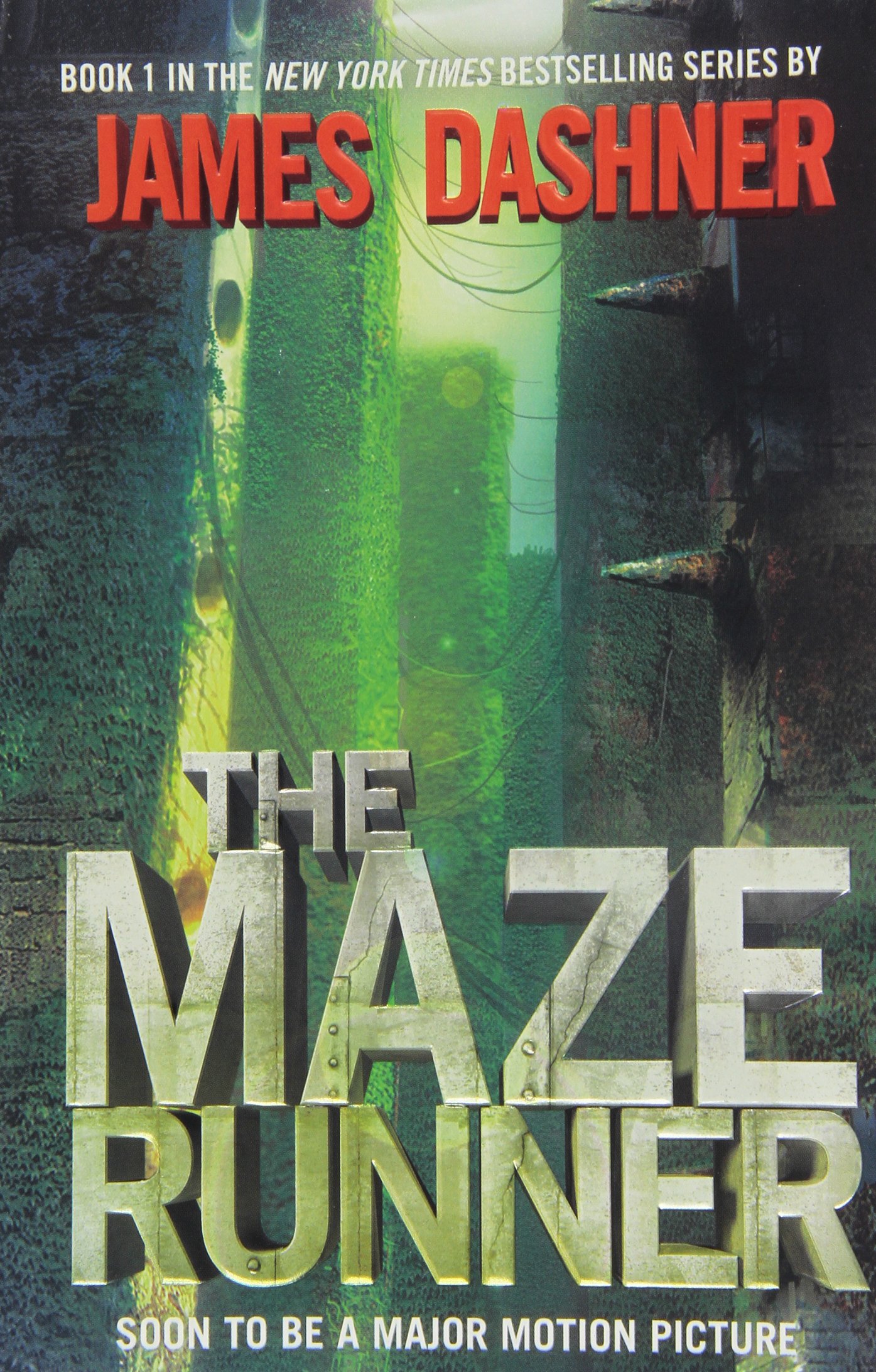
The Maze Runner

     I have been excited to read The Maze Runner by James Dashner for a while now, despite being a little worn down with an over-saturation of young adult dystopians in the current market. But I suppose that isn't the book's fault. I digress.

     It begins with Thomas being thrown into the midst of a make-shift, enclosed society run and inhabited only by teenage boys like himself. Every day, the walls around them open to reveal the opening of a giant maze that seems impossible to solve. A few of the boys are tasked with being "Maze Runners" and spend the daylight hours desperately trying to find patterns that could lead to a solution. At night, the doors close, the inner walls change, and terrifying monsters fill the maze. That's exciting enough, but Thomas' arrival has sparked changes in nearly everything - pushing the need to solve the maze from a daily job to the urgency of life or death.

Photo from Amazon.com

     My favorite part of the book is the brilliant world Dashner has imagined. It was a wonderful combination of creepy and intriguing. The closing of each chapter made me keep reading. When one question was finally answered, three more were raised. It was quite a gripping read. And I think/hope it will be a great movie as well!

     I also appreciated that even though the arrival of Thomas started a domino effect of rule changes for this strange world, Dashner made sure that the other characters were proactively involved in the conflict. I was really worried that this would be a "waiting for the chosen one to save the day" situation (which I will be honest, sometimes it flirted with) but thankfully the other characters were intelligent and useful too! Yay!

    The few things I struggled with while reading were the writing style and the shallow characters. BUT I don't want to be misunderstood - I think this can be explained by Dashner tailoring his style to his reader's target age group (around middle school, I would think) rather than him being a bad writer. I just found myself sifting through repetition or cliches while wanting to see rather than be told what a character was feeling. By the end of the book I really didn't feel very connected to the characters, but I very badly wanted to know more about them (looking at you, Newt and Minho)!

     If you're looking for a quick read packed with action, I'd say go for it! I really enjoyed the first installment and am currently on the second thrill ride that is The Scorch Trials.


Monday, July 14, 2014

We Were Liars

     I had heard great things about We Were Liars by E. Lockhart, but the tricky thing was that I had no idea what those "great things" were. Every review I read or heard was that I should just trust them because there are so few things you actually can say about the plot without spoiling the mystery. In fact, the tipping point for me giving in to the hype was reading the dust jacket flap copy that ended with:

     "Read it.
     And if anyone asks you how it ends,
     just LIE."

     Come on! Hats off to you editors and marketing gurus, cause I had another book bright with promise in my hand that was promptly set back on the shelf. (Sorry Beginning of Everything, I shall return to you someday).


     So here's what I can say without giving anything away. Every summer, Cadence Sinclair lives on a private island off the Massachusetts coast with her grandparents, aunts, and cousins. If I describe them, I'm sure you'll hate them. Blond, athletic, beautiful, smart, rich, privileged, out of touch with reality and hard work. Initially I found the family delightfully disgusting, but thankfully E. Lockhart is awesome and gave them each a depth and complexity that makes them much more human.
 
     All right, that's enough. Get ready for some vague teasers. There's an accident, and secret, and a search for truth amidst liars. I hate to be that person but you really have to read it; and until then try your hardest to stay away from spoilers (which somehow I managed to do?)!

     I read this book in a few days - always a good sign - and I just...what. What.

     After I turned the last page and everything was shockingly explained, I wanted to flip right back to the beginning and read it again to spot all the clues. Because, like every good mystery writer, the clues were right there for us readers, but I didn't guess it. And I loved being along for such a wild ride.

     It's a great summer read with good pacing and an awesome plot. The writing is very poetic and at times abstract, which I know is not everyone's cup of tea but I enjoyed something different. Sometimes the first person narration left me wanting deeper glimpses into family interactions or even more emotional depth, but honestly I can't pinpoint exactly how I would change it and really that's a very small critique to a book I very much enjoyed.


Monday, July 7, 2014

Traveling with Pomegranates

     After years of this book sitting on my shelf staring at me with so much promise and a beautiful cover, I finally gave Traveling with Pomegranates by Sue Monk Kidd and Ann Kidd Taylor a try. What better airplane reading than a travelogue? From what I had gathered about the book, it was a mother-daughter travel memoir through the sacred places of Greece, Turkey, and France. The mother, Sue is struggling with the acceptance of aging whilst watching her daughter take control of her adult life. Ann, her daughter, is fresh out of college and battling depression after being rejected from the graduate program and career she was hoping for. Oh, and as an extra bonus both are toying around the idea of writing a book - which was icing on the cake for me. Sounds promising, right?


     I was excited to read this book for two reasons: the rich settings and a good, heartwarming mother-daughter story. I wish I could say that I got exactly what I was expecting, but unfortunately it wasn't even close. Each chapter focuses on the inward dilemmas of either the mother or the daughter, with brief acknowledgments of the beautiful vacation they are privileged to be on or a split second of wondering what the other family member is thinking. The majority of the book is Sue ferociously trying to find examples of the "divine within" and a desperate attempt to view what she calls "the female essence of God"; and Ann fearing losing her independence to write if she marries or has a "normal" job. Perhaps I found both journeys strange and distracting because they weren't relatable to me?

     I feel almost guilty for not liking this book because these were real experiences, but it was so not as described. Even if it was as advertised, the lack of living in the moment and focusing on the people in your life in the here and now made it come off as, well, selfish. Most people would dream of their lifestyle: writing on your own schedule and taking frequent trips to experience ancient cultures with family, but both Sue and Ann seemed to find only misery within themselves for most of the book.

     Now that I feel bad for being so negative, I will say that they are both talented writers. I enjoyed the way they described their experiences, I really did. I also loved watching the creative process for both women as they nurtured the ideas for their respective books. It was such an intimate thing to share, and anyone who has ever created anything could easily relate to the process. An incomplete idea, self-doubt, the relief and joy that comes from the small victories. I really did enjoy those chapters.

     And it was also neat to see mother and daughter grow closer as they traveled, but I feel like it was such small sub-plot in the grand scheme of this book that I was left a little disappointed.


Monday, June 23, 2014

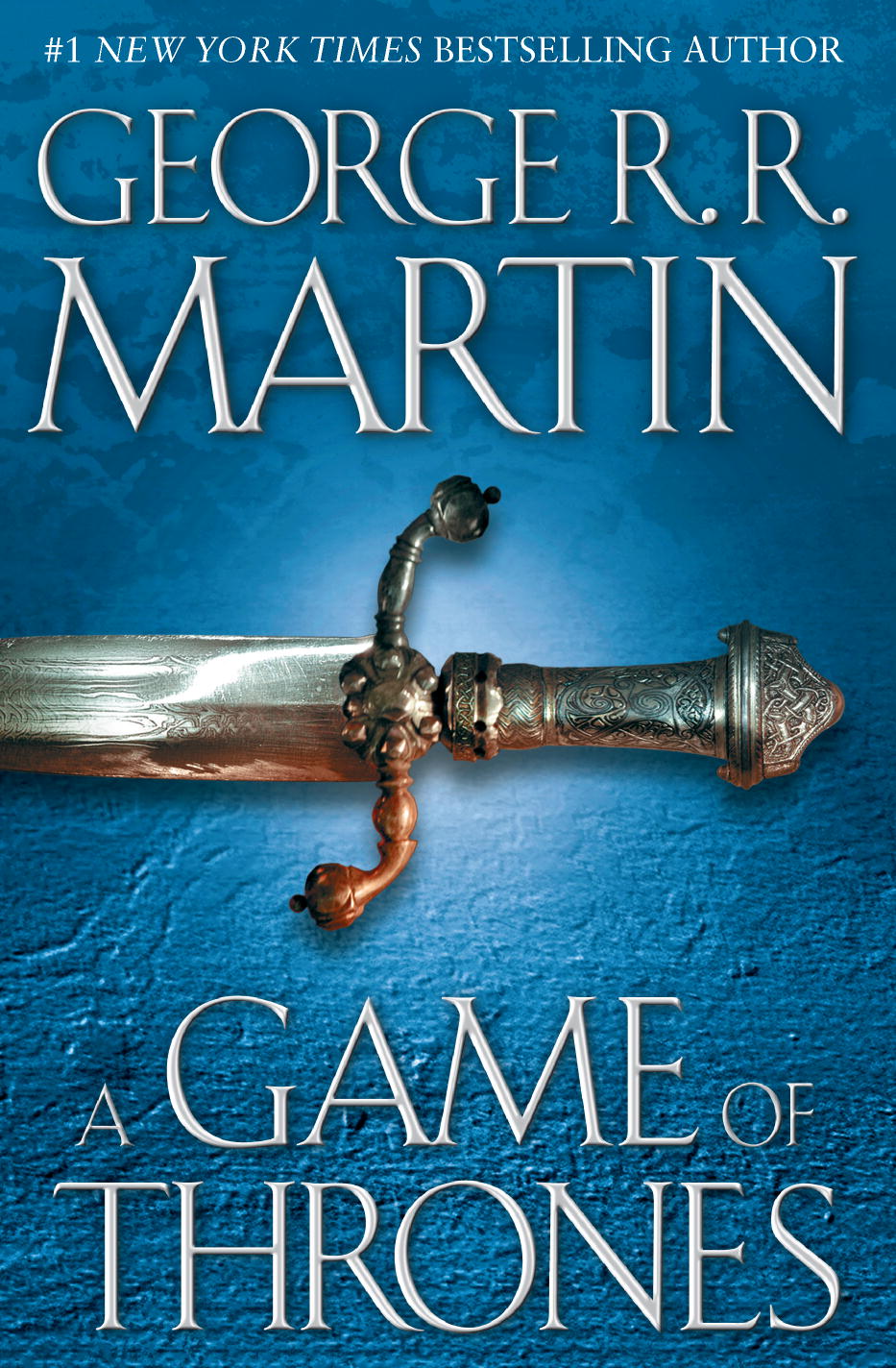
A Game of Thrones

     Warning: this post contains vague, general spoilers.

     The first book in A Song of Ice and Fire by George R.R. Martin, lays the ground rules for a truly magnificent series. You learn quickly to correct your thinking from the lazy "How on earth will our hero make their way out of this one? Cause I know he will." to the more realistic excitement and terror of "Wait, could they really die? Is this really happening? I THOUGHT YOU WERE PROTECTED BY MAGIC MAIN CHARACTER FORCEFIELDS."

     A Game of Thrones is told from changing character perspectives with each chapter, which is one of my personal favorite ways to tell a story. Winters can last decades, rumors of lost heirs and dragon eggs are whispered about the kingdom of Westeros, a 700 foot wall keeps whatever may lurk in the wild, terrible north at bay, and murderous plots change loyalties and spark rivalries between the great houses of the unyielding Starks of the cold north, and the powerful Lannisters of King's Landing (and don't forget about the Baratheons, and the Targaryens, and...).

     I always get a little hesitant when recommending this series to anyone because it is so graphic and explicit in pretty much every way you can think of. If you're bothered by explicit language, violence, or sexual content I would most likely steer you in another direction, and that's ok. I never thought I would be such a big fan of something that came with that disclaimer, but here's why:

     Those things are not glorified. They are purposefully depicted as complicated and messy, and they have lasting consequences.

http://iceandfire.wikia.com/wiki/A_Game_of_Thrones

     I don't feel like I'm exaggerating when I say Martin is a genius. Yes, all authors create worlds when they write. But Martin creates worlds that are large and complex enough to be real. He truly thinks of everything from filling out realistic social classes (rather than just having a fantasy world of royalty, knights, and peasants and calling it a day) to proving that there are rippling consequences to everything (which sometimes take several books to come to fruition). The amount of characters to keep track of is like keeping track of every person you've ever met in real life, but his writing is so brilliantly detailed that you will actually surprise yourself with how many you can keep straight.

     I love how there are no "throw away" characters, either. Every innkeep, servant, and soldier on the battlefield has a name, a family, and a backstory. The scope of his focus extends further than what is typical in the fantasy genre - heroic men have very real weaknesses and emotions, and women and children are written with just as much strength and intelligence as the men - aka, they are also written as real people (gasp!). Families have realistic problems, and the characters you want so badly to label as villains have surprising humanity (with the exception of maybe a certain blond tyrant...).

     And the plotting! I can easily say this is the most complex series I have ever read. It's not a simple good vs evil plot line, although there are reflections of that at times. I've noticed he has taken some inspiration from European history as well as Biblical accounts, which I think is always fun to notice as a reader. A Game of Thrones is packed with political intrigue and conspiracy where EVERYONE is a key piece in the game, and thankfully everyone has a realistic and for the most part understandable motivation to what they do, and somehow he managed to brilliantly weave them together to create a fantastic tapestry of ill omens, old magic, and fierce battles for the ultimate seat of power.

     I realize that this seems like it could easily be a review for the entire series, and I can say that everything I said here rings true for the books to follow as well. The first book introduces the world with a bang, and somehow the momentum gains with each new installment. Future posts regarding the books to follow will be more specific, but just as a reader exploring the wide world of Westeros for the first time, it's hard not to just stand back in awe at the sheer scope and brilliance of this creation.


Friday, June 20, 2014

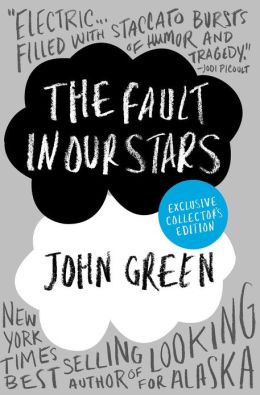
The Fault in Our Stars


     Why not start off with one of my new favorite books? I was late to the bandwagon with reading The Fault in Our Stars by John Green, and I will fully blame that on George R.R. Martin. Still, I completed reading TFiOS a couple of hours before the movie started showing, so I consider that a great accomplishment. (That many emotions in a few hours probably isn't healthy).

     TFiOS follows its main character, 17-year-old Hazel Grace Lancaster, through the pain and boredom of everyday teenage life - with the added complication of trying new treatments for cancer. At the urging of her mother, she attends a cancer support group. There she meets Augustus Waters, and immediately they begin a friendship that (spoiler you should have seen coming) soon turns into love. 
   
     Yes, this is a book about cancer. But it is far from a typical "cancer-book", which has a totally different connotation. What I love about these characters is that they are not defined by their cancer. They don't let it become a defeated identity, instead it is just something that they happen to have and learning to deal with that makes them stronger. 

     In fact, one of the bigger sub-plots regards Hazel's obsession with the imagined sequel to her favorite book (whose characters beautifully reflect certain people in her own life, thereby showing us who she would be concerned for if her own story was cut short). Without success, Hazel has reached out to the author to have her questions answered. In an attempt to better understand his new crush, Augustus can't help but want answers too (well, that and impress Hazel, but who can blame him?) 

     If I tell you any more beyond this point, protecting you lovelies from an ocean of spoilers will be impossible. Just read it and watch Hazel and Augustus grow and have once-in-a-lifetime experiences together already, okay? Okay.  
photo from barnesandnoble.com
     Now, I knew that this book is famous for making its readers cry but that rarely happens to me so I arrogantly accepted the challenge. I failed. Oh my goodness, did I fail. But here's the thing, and it's probably cheating since I read it from another reviewer, BUT IT'S SO TRUE: "This is a book that breaks your heart - not by wearing it down, but by making it bigger until it bursts" (The Atlantic).

     I felt that stupid lump in my throat because of how full and strangely complete the lives of Hazel and Augustus are, when I had the assumption that they would be doomed to never experience the joys of life that non-cancer patients so easily can take for granted. 

     To top it off, Green is such a talented writer. This would have been a compelling story even if it was told matter-of-factly, but Green's metaphor-heavy descriptions and realistically imperfect, funny dialogue add such a robustness to the book that just makes it so complete. 

     I already want to reread it. 


Thursday, June 19, 2014

Welcome


     I created this blog as a way to share my love of great storytelling. This will be mostly book recommendations and reviews, but I'm sure some film, television, and plays will wander in as well. 

     As my first post to this new adventure, let me just say this: I won’t be the smartest critic for new books, and my love for old books will have the bias of nostalgia clinging to them. To be quite honest, I don’t have the desire or the personality to pick at everything wrong with a book in order for me to look superior. (As an aspiring author those people terrify me). What I do want to do is share what I am reading and have read, and hope that maybe a poorly articulated recommendation will lead to the love and excitement of finding a good story.

    After all, nothing quite compares to worlds that swallow you whole.